

The right abaya fabric affects almost everything about the finished garment: how it drapes, how warm it feels, how formal it looks and how easy it is to care for. Instead of asking which fabric is “best,” it is more useful to choose the material that suits the occasion, climate and level of structure you prefer.
Start With How You Plan to Wear the Abaya
An everyday abaya has different needs from a wedding or Eid abaya. For regular wear, comfort, movement and easy styling may matter most. For an occasion piece, you may prefer a fabric with more structure or enough body to support embroidery, crystals and beadwork.
Think first about the purpose, then compare fabrics within that category.
Premium Korean Nida
Korean Nida is widely used for abayas because of its smooth feel and fluid drape. It can create a clean, elegant silhouette without appearing stiff, which makes it useful for both simple everyday designs and more polished styles.
As with any fabric family, the exact weight matters. A lighter Nida and a heavier Nida will not feel identical, so always read the product description and look at how the garment moves in photos or video.
Moroccan Crepe
Moroccan crepe can provide a slightly more structured appearance while still allowing graceful movement. Its matte finish works well for abayas that need a refined look without excessive shine.
Depending on the weight, it can suit everyday wear, workwear or embellished occasion pieces.
Heavy Crepe
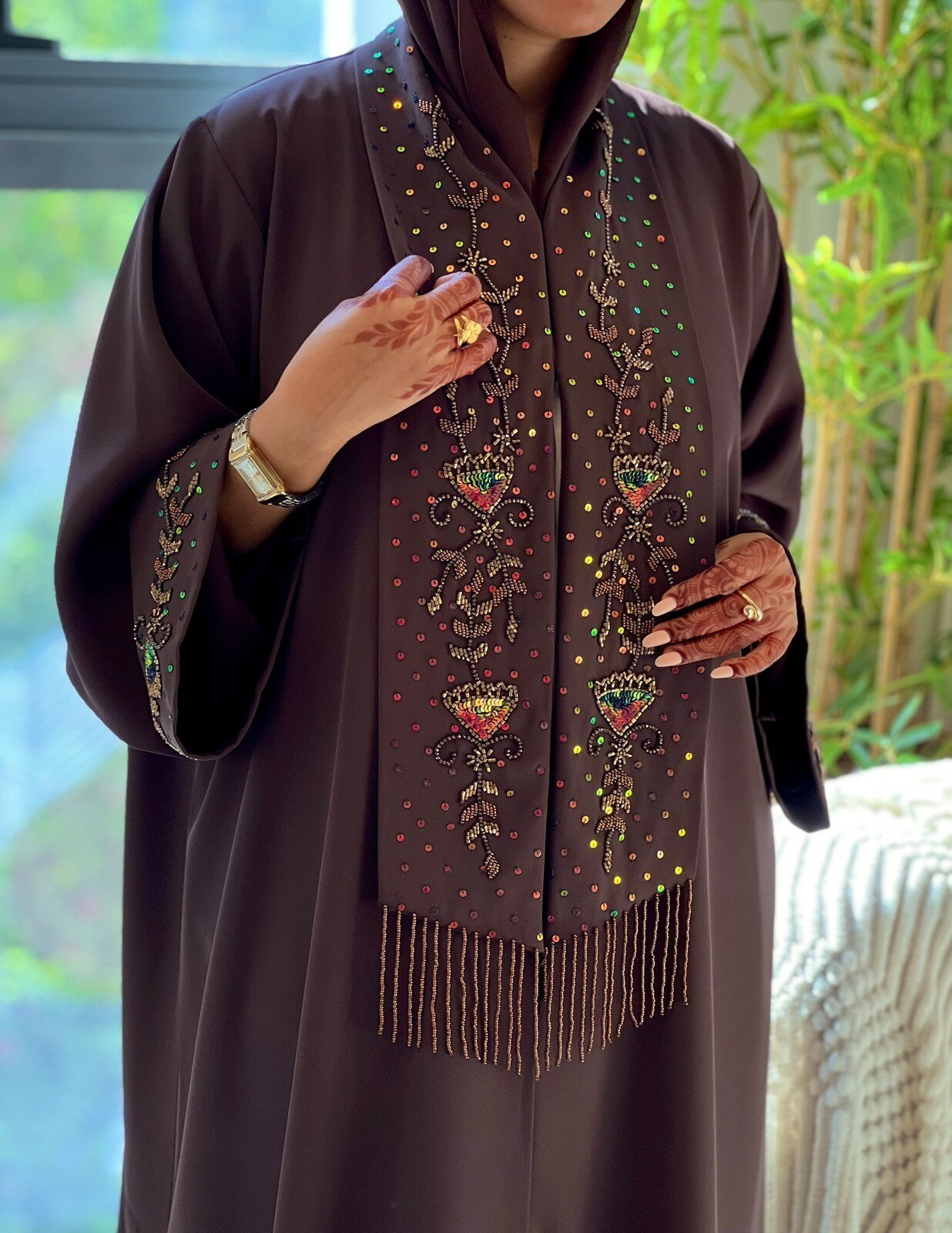
Heavy crepe is useful when a design needs more body or when the abaya carries substantial embroidery, beadwork or other decorative elements. It can create a stronger silhouette and help detailed construction hold its shape.
The trade-off is weight, so a heavy crepe may feel better for evening events, indoor occasions or shorter wear periods than for long outdoor days in warm weather.
Light Barbie Fabric
Light Barbie fabric can offer a smooth, polished finish with enough structure for coat-style or tailored abayas. It can be a useful option when you want a cleaner shape without the heaviness of a very dense fabric.
As always, the exact feel depends on the specific garment construction rather than the fabric name alone.
Fabric Weight Matters More Than Marketing Names
Two fabrics with the same general name can still differ in thickness, stretch, opacity and drape. When shopping online, use the product description, gallery and video together rather than making a decision from the fabric name alone.
If you prefer a very fluid silhouette, look for movement in the hem and sleeves. If you prefer more structure, choose a fabric that holds a cleaner line.
Think About Opacity
Very lightweight fabric is not always more practical. If the material is too sheer, you may need heavier layering underneath, which can make the complete outfit warmer and less comfortable.
A fabric with enough opacity at a comfortable weight can be a better choice than an extremely thin material that requires several layers.
Choose Fabric Based on the Occasion
- Everyday wear: prioritise movement, comfort and easy care.
- Work: choose a polished fabric that keeps a clean silhouette through the day.
- Travel: avoid overly delicate or snag-prone materials if you will be moving frequently.
- Eid and family gatherings: moderate structure and tasteful embellishment can work well.
- Weddings and formal events: heavier crepe or fabrics that support detailed craftsmanship may feel more appropriate.
Consider Climate and Layering
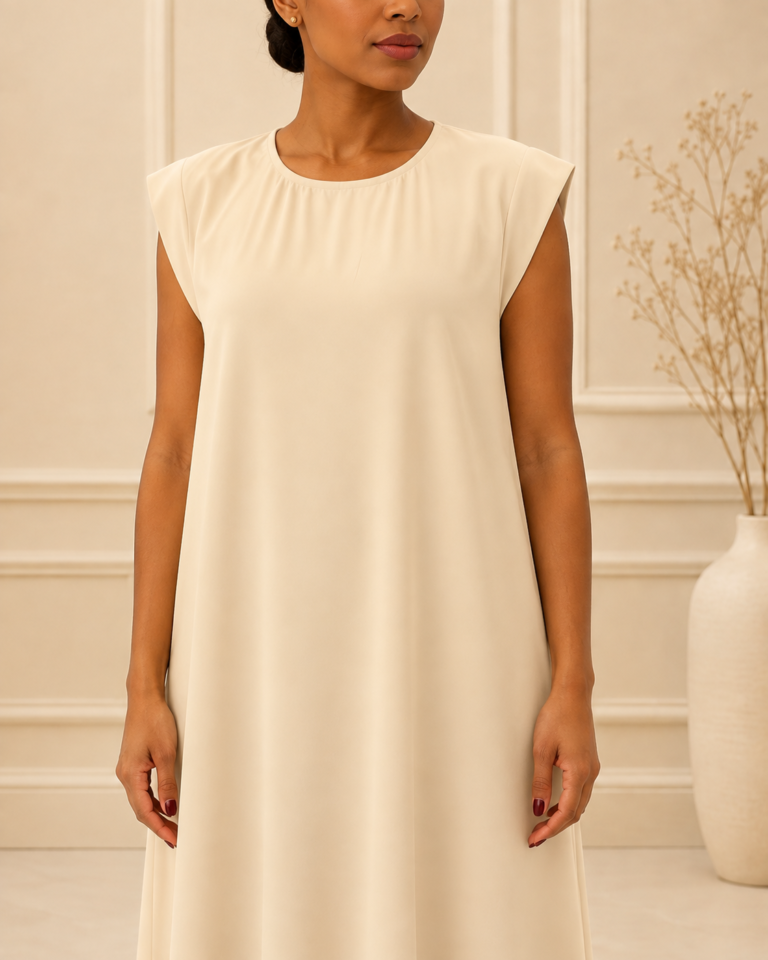
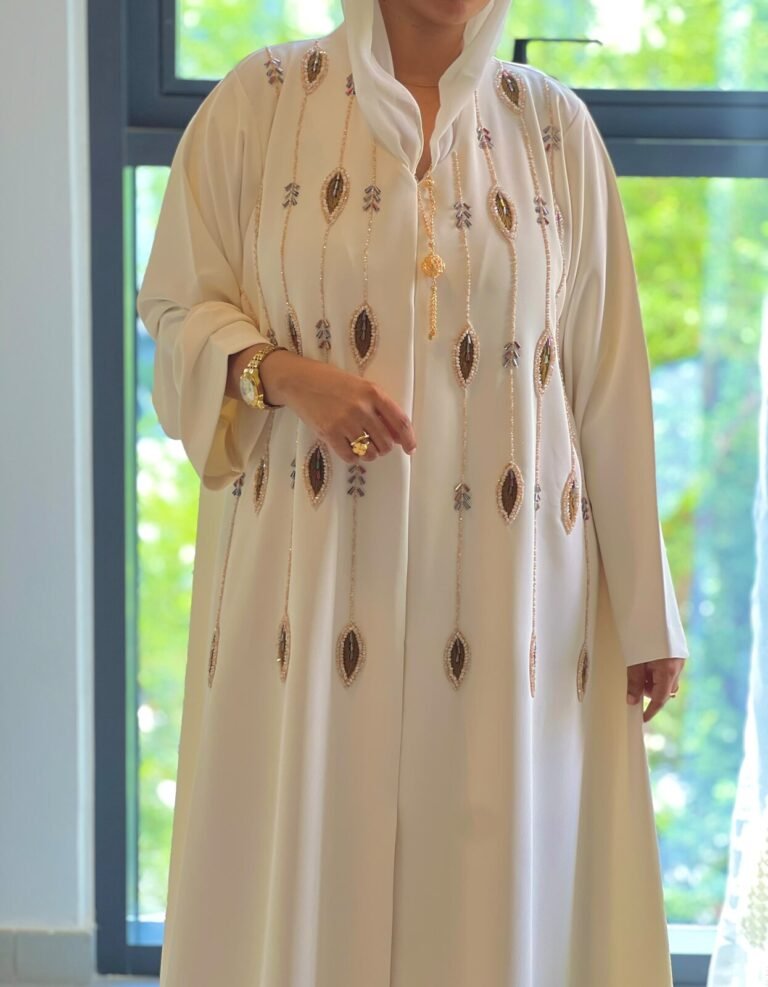
In the UAE and other warm climates, the full outfit matters. An open abaya over an inner dress creates two layers, so the combined weight should still feel comfortable.
For more warm-weather guidance, read our guide to abaya fabrics for hot weather.
Check the Care Requirements
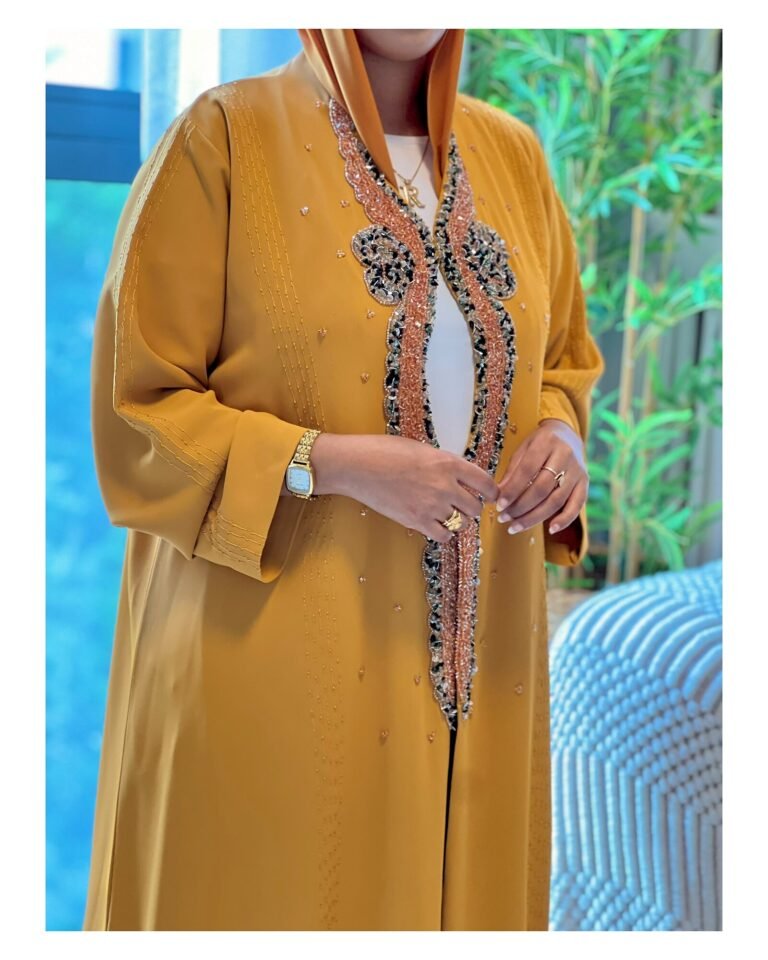
Fabric and embellishment determine how much maintenance an abaya needs. A simple everyday style may be easier to clean at home when its care label permits it, while heavily embellished designs may need professional cleaning.
Think about whether the care routine fits your lifestyle before buying, especially if you plan to wear the abaya frequently.
How Fabric Affects Colour
The same colour can look different on matte, textured or slightly lustrous fabrics. Black may appear deeper on one material, while brighter shades may look richer or softer depending on how the surface reflects light.
This is another reason product video can be valuable when shopping online.
A Simple Fabric Checklist
- What occasion is the abaya for?
- How many hours will you wear it?
- Do you prefer fluid movement or more structure?
- Will you need an inner dress underneath?
- How important is easy care?
- Does the fabric support the amount of embellishment?
- Is the garment opaque enough for the way you want to style it?
Final Thought
The perfect abaya fabric is the one that supports the design and your real lifestyle. Premium Korean Nida, Moroccan crepe, heavy crepe and lighter structured fabrics can all be excellent choices when matched to the right purpose. Browse our Abaya collection and compare fabric, movement, embellishment and fit before deciding.
 Fabric & CareWhat to Wear Under Your Abaya for Maximum Comfort
 Fabric & CareHow to Store Embellished Abayas Between Occasions
 Fabric & CareBest Abaya Fabrics for Hot Weather in UAE
“Elegance is not about what you wear, but how you wear it.”